
Custom Web Development Services for Modern Businesses
Off-the-shelf software almost fits your workflow. Almost. Then you spend years working around its limitations.RamScript is a leading web development company in India, working with startups and enterprises across the US, UK, UAE, and Australia.We build custom web applications designed for how your business actually operates. Not templates stretched to barely fit. Not WordPress with 47 plugins slowing everything down. Actual software solving your specific problems.RamScript develops web applications for SaaS companies serving thousands of users, e-commerce platforms processing millions in sales, internal tools streamlining enterprise operations, and startups testing new business models.

Building a software-as-a-service platform involves more than just features. Subscription billing, user management, role-based permissions, analytics, multi-tenancy—it's complex.
SaaS Application Development
SaaS fundamentals we handle:
Subscription management with Stripe or PayPal. Different pricing tiers, trial periods, upgrade/downgrade flows, usage-based billing. Automated invoicing and payment retry logic when cards fail.Multi-tenant architecture where data isolation matters. Each customer's data completely separated, but running on shared infrastructure for cost efficiency.User authentication and authorization. SSO integration for enterprise customers. Role-based access control so admins see different features than regular users.
Real SaaS build:
Developed a project management platform serving 50+ companies. Each company has separate workspace, users, projects, data. Nobody sees other companies' information. Scales efficiently because architecture planned for growth from day one.
Analytics and reporting:
SaaS platforms need dashboards showing usage metrics, customer health scores, churn prediction, revenue analytics. Help customers and internal teams make data-driven decisions.

Selling online isn't just listing products. It's about conversion optimization, inventory management, payment processing, shipping integration, and making checkout so smooth people complete purchases.
E-commerce Web Development
E-commerce essentials:
Product catalog management with variants (size, color), inventory tracking across warehouses, automated stock alerts, bulk import/export capabilities.Shopping cart optimization. Save for later, recently viewed items, related products, abandoned cart recovery via email.Checkout experience matters most. Guest checkout option, multiple payment methods, address autocomplete, real-time shipping calculation, order confirmation emails.
Payment gateway integration:
Stripe, PayPal, Razorpay, Square—whichever fits your market. PCI compliance handled properly so you're not storing sensitive card data.
Order management:
Backend systems for processing orders, printing shipping labels, tracking fulfillment, handling returns, managing refunds. Built an e-commerce platform doing $100K+ monthly. Load time under 2 seconds. Checkout conversion rate above industry average because every step optimized based on testing.
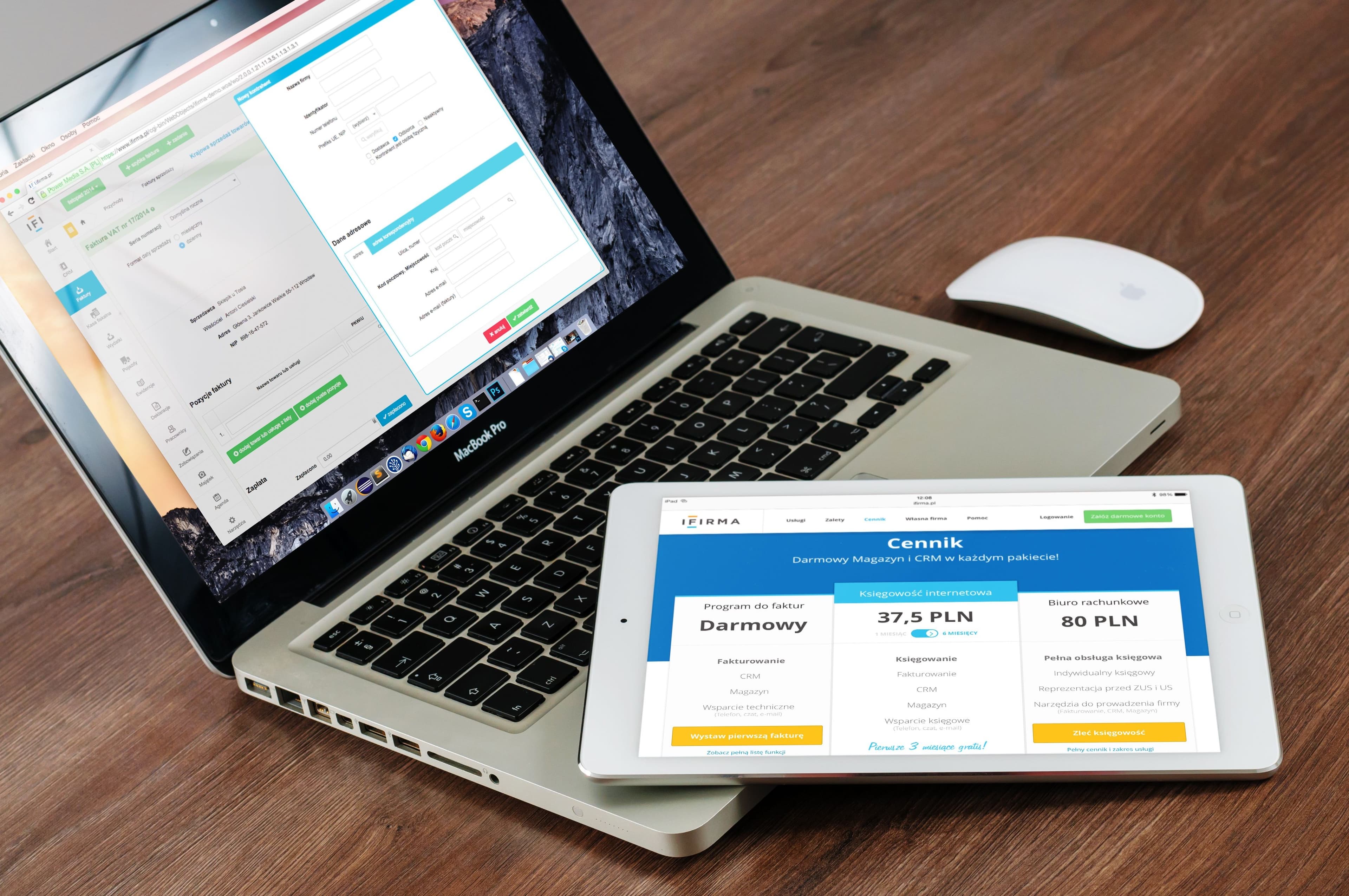
Every business has unique workflows. Custom web applications automate those specific processes.
Custom Web Application Development
Examples we've built:
Logistics tracking system:
Company manually tracking 500+ shipments daily in Excel. Built web application handling real-time tracking, automated notifications, driver management, route optimization. Saved 2 hours daily per employee.
Customer portal:
Service business where clients constantly called asking for updates. Built portal where clients log in, see project status, access documents, submit requests. Support calls dropped 60%.
Inventory management:
Retail business tracking stock across 5 locations using shared spreadsheets. Built system with real-time inventory, automatic reorder alerts, sales analytics, barcode scanning.
CRM system:
Sales team using generic CRM that didn't match their industry-specific process. Built custom CRM with their exact workflow, custom fields, automated follow-ups, integration with existing tools.

Enterprise applications face different requirements. Thousands of users, complex permissions, integration with legacy systems, compliance regulations, security audits.
Enterprise Web Development
Enterprise considerations:
- Single Sign-On (SSO) integration with Active Directory, Okta, or existing identity providers. Employees use same login for all systems.
- Role-based access control with granular permissions. Different departments see different features. Managers approve, employees submit, executives view reports.
- Audit logging for compliance. Track who accessed what data when. Required for SOC 2, HIPAA, GDPR compliance.
- Integration with existing systems. Connect to SAP, Salesforce, Oracle, Microsoft Dynamics, custom internal APIs built decades ago.
Built for a corporation:
Internal web application for 2,000+ employees across departments. Integrates with payroll system, HR platform, project management tools. Handles complex approval workflows, document management, reporting. Six months from requirements to launch including security reviews.

We build complete web applications from the ground up—no piece left to someone else.
Full-Stack Web Development
Frontend work:
We typically reach for React or Next.js, though Vue and Angular have their place depending on the project. The goal is always the same: interfaces that work flawlessly whether someone's on their phone during their commute or at a desk on a 4K monitor. Speed matters. So does accessibility. We optimize load times, keep interactions buttery smooth, and make sure screen readers actually work.
Backend development:
The stack depends on what you're building. Node.js when JavaScript everywhere makes sense. Django when Python's data tools give us an edge. Laravel for PHP projects that need elegance. Rails when convention over configuration speeds things up. We design RESTful APIs by default, GraphQL when the data requirements get complex. User authentication, permissions, business rules, data pipelines—it all lives here.
Database architecture:
Relational data goes in PostgreSQL. Document stores and flexible schemas call for MongoDB. Frequently accessed data gets cached in Redis. But the technology choice is just the start—proper indexing, query optimization, and backup strategies separate databases that work from databases that scale.
DevOps:
We deploy to AWS, Google Cloud, Azure, or DigitalOcean based on your needs and budget. CI/CD pipelines mean code gets tested automatically and deployed without drama. Once it's live, we monitor performance, track errors, and configure auto-scaling so traffic spikes don't become outages.

PWAs blend web and mobile. Installable like apps, work offline, send push notifications, but accessible through browsers without app store approval.
Progressive Web Apps (PWA)
PWA advantages:
Single codebase works everywhere. Users get instant updates when you deploy. No App Store review delays. Lower development cost than native mobile apps.
When PWAs fit:
Content-heavy applications, productivity tools, business software, services where web presence matters as much as mobile.Built a field service PWA for technicians. Works offline when they're in basements with no signal. Syncs data when connection returns. Installes on their phones but updates automatically.

Security isn't optional. Data breaches destroy businesses
Web Application Security
Security measures we implement:
- HTTPS everywhere with proper SSL certificates. Passwords hashed with bcrypt, never stored plain text. SQL injection prevention through parameterized queries. XSS protection via input sanitization and content security policies.
- Two-factor authentication for sensitive applications. Rate limiting to prevent brute force attacks. CSRF tokens protecting forms. Secure session management with proper timeout handling.
- Regular dependency updates. Third-party libraries get security patches—we monitor and update.
PWA advantages:
Single codebase works everywhere. Users get instant updates when you deploy. No App Store review delays. Lower development cost than native mobile apps.
Compliance requirements:
GDPR for European users. HIPAA for healthcare data. PCI-DSS for payment processing. SOC 2 for enterprise clients.

Why Choose RamScript for Web Development
Custom solutions:
We don't force your business into templates. We build software matching your exact requirements.
Scalability:
Applications architected to handle growth. Start with 10 users, scale to 10,000 without rebuilding.
Maintainable code:
Clean, documented code that future developers can understand. No spaghetti code nightmares.
Transparent process:
Regular updates, accessible repositories, staging environments you can test anytime.